|
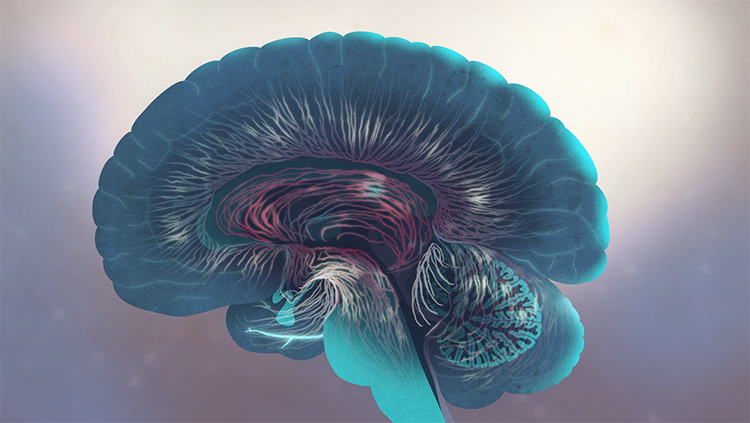
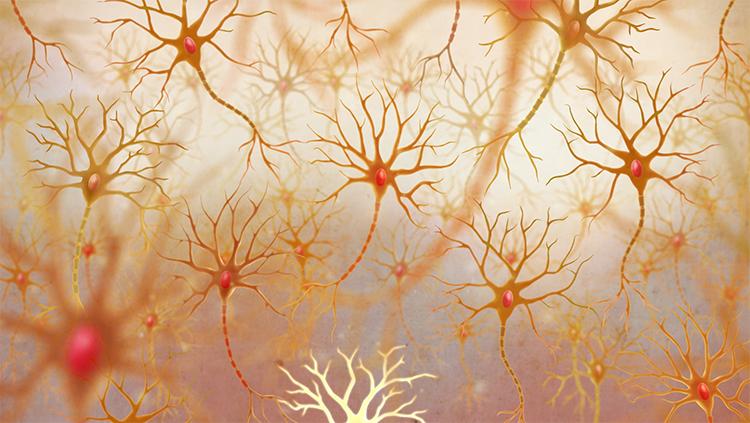
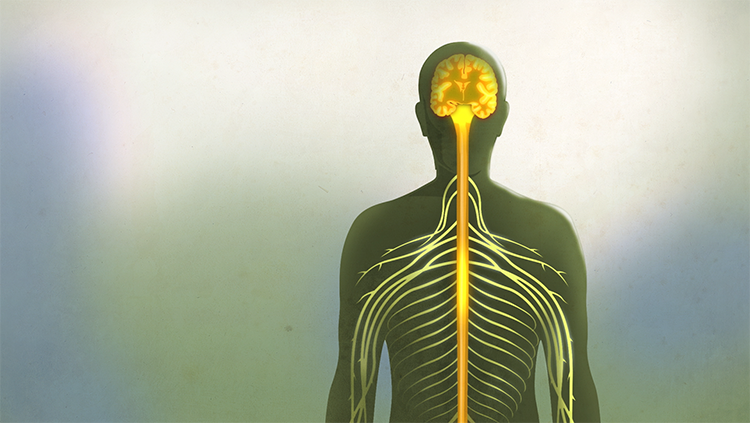
At its most basic level, reading, like other actions of the brain and nervous system, involves a series of electrical impulses moving through your body along a network of linked nerve cells called neurons.
The major goal of neuroscience is to .understand how groups of neurons interact to generate behavior. Neuroscientists study the actions of molecules, genes, and cells, and also explore the complex interactions involved in bodily function, decision making, emotion, learning, and more. They also seek to understand diseases and disorders that occur when interactions don't happen or go wrong.
The basic building block of the nervous system is the individual nerve cell or neuron. Neurons "talk" to each other at connections called synapses, which send and receive small "packets" of chemicals or electrical signals.
Knowledge of the human nervous system is based in part on ongoing fundamental discoveries in animals (e.g., worms, flies, fish, frogs, mice, and primates), aided by computer simulations.
There is much that we know but more that remains to be discovered. Research and discovery are funded by national science agencies around the globe, universities, research entities and companies, and private philanthropy.
|
TEACHING ABOUT THE BRAIN FROM EVERYDAY LIFE
There are many fun and easy opportunities to teach about the brain. For example, optical illusions and how our brain plays tricks on us are interesting to everyone.
Students, teachers, and adults in general are intrigued to learn about the brain and related research that impacts our everyday life. News headlines continually grab our attention with new research findings, as can hopes for improved health and treatments for disease.
The Neuroscience Core Concepts provide content for teaching essential scientific knowledge. For example, teaching about the intricate wiring of the brain or the brain's ability to form new memories can serve as models of how living systems are structured and how they function.
This guide serves as a starting point for considering the brain and nervous system as content for activities and inquiry in educational settings. The Core Concepts have been correlated to the U.S. National Science Education Standards as a guide.
This is an exciting era for neuroscience, with advances and discoveries emerging at a rapid pace. The progress being made requires a population that understands the basic science underlying issues and debates.
There is keen interest in discoveries about the way we learn. Scientists are increasingly interested in how the brain functions in complex environments such as the classroom. Educators are eager to learn which strategies and approaches in the classroom are most effective. Research that bridges education and neuroscience is underway.
|