
Filter
-
(1)
-
(8)
-
(2)
-
(1)
-
(1)
-
-
(4)
-
(1)
-
(2)
-
(1)
-
-
(2)
-
(3)
-
(3)
-
(2)
-
(1)
-
-
(26)
-
(5)
-
(6)
-
(10)
-
(2)
-
(5)
-
-
(1)
-
(1)
-
-
(6)
-
(2)
-
(1)
-
(3)
-
-
(1)
-
(1)
-
-
(2)
-
(1)
-
(1)
-
-
(1)
-
(6)
-
(3)
-
(2)
-
(1)
-
-
(41)
-
(1)
-
(4)
-
(2)
-
(1)
-
(2)
-
(16)
-
(8)
-
(11)
-
-
(3)
-
(1)
-
(6)
-
(3)
-
(3)
-
-
(1)
-
(1)
-
(1)
-
-
(1)
-
(1)
-
(1)
-
(1)
-
-
(25)
-
(9)
-
(3)
-
(1)
-
(12)
-
-
(2)
-
(2)
-
-
(1)
-
(1)
-
-
(5)
-
(1)
-
(2)
-
(1)
-
(3)
-
-
(3)
-
(3)
-
-
(1)
-
(6)
-
(6)
-
-
(3)
-
(1)
-
(1)
-
(1)
-
-
(5)
-
(1)
-
(4)
-
-
(31)
-
(5)
-
(11)
-
(9)
-
(1)
-
(2)
-
-
(2)
-
(2)
-
(5)
-
(1)
-
(5)
-
-
(1)
-
(1)
-
-
(2)
-
(1)
-
(1)
-
-
(3)
-
(1)
-
(2)
-
-
(45)
-
(1)
-
(7)
-
(5)
-
(7)
-
(10)
-
(3)
-
(1)
-
(9)
-
(5)
-
(1)
-
(1)
-
(2)
-
(3)
-
(5)
-
(2)
-
(8)
-
-
(7)
-
(2)
-
(4)
-
(1)
-
-
(1)
-
(1)
-
-
(56)
-
(10)
-
(7)
-
(23)
-
(3)
-
(4)
-
(2)
-
(2)
-
(21)
-
(17)
-
(12)
-
(7)
-
(3)
-
(1)
-
(4)
-
(2)
-
(7)
-
(10)
-
(3)
-
(8)
-
(2)
-
(79)
91 - 100 of 100 results
-
 To fully appreciate brain function, scientists are studying what’s going on in various brain regions, and how these regions connect and communicate.
 -
 What are the different parts of your brain that help you learn and remember? Explore your cerebral cortex, limbic system, and more with this interactive 3D brain model.
 -
 Almost everyone knows someone affected by Alzheimer's disease. The Forgetting is a documentary that includes lesson plans to help teach about the disease.
 -
 Individuals with MS should have new hope with regard to treatment advances.
 -
How tightly is violence tied to mental illness? Not as tight as US journalism makes it appear, researchers say.
-
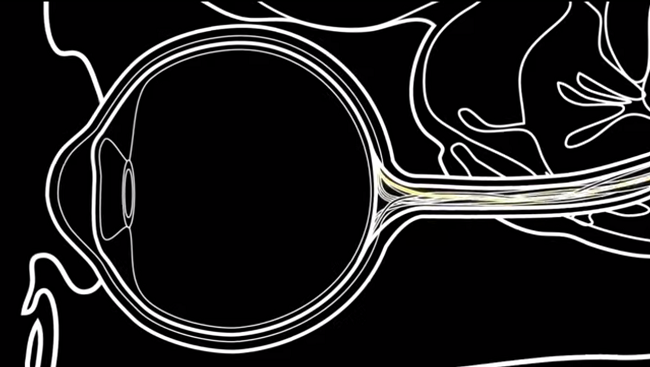 Learn about the National Eye Institute’s effort to restore vision in difficult-to-treat eye diseases.
 -
 This site provides experiments on hearing, smell, taste, touch, and vision designed for students in primary and secondary school classrooms.
 -
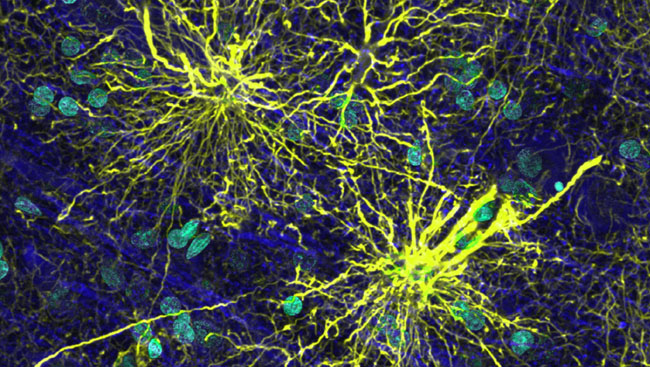 The discovery in the late 1950s that the level of dopamine was decreased in the brains of Parkinson’s patients was followed in the 1960s by successful treatment with the drug levodopa, which is converted to dopamine in the brain. This historical event is one of the greatest medical breakthroughs in the field of neurology.
 -

-
 Popular articles on BrainFacts.org