
Filter
-
(1)
-
(1)
-
-
(16)
-
(13)
-
(5)
-
-
(7)
-
(46)
-
(56)
-
(4)
-
(1)
-
(3)
-
(4)
-
(7)
-
(3)
-
(5)
-
(2)
-
(11)
-
(5)
-
(2)
-
(1)
-
(1)
-
(1)
-
(2)
-
(1)
-
(1)
-
(4)
-
(4)
-
(1)
-
(1)
-
(5)
-
(1)
-
-
(73)
-
(1)
-
(20)
-
(24)
-
(6)
-
(24)
-
-
(14)
-
(7)
-
(55)
-
(3)
-
(5)
-
(6)
-
(31)
-
(9)
-
(2)
-
(8)
-
-
(469)
-
(153)
-
(94)
-
(209)
-
(32)
-
(76)
-
(1)
-
-
(12)
-
(3)
-
(4)
-
(5)
-
-
(3)
-
(3)
-
-
(73)
-
(13)
-
(8)
-
(6)
-
(50)
-
(17)
-
-
(13)
-
(13)
-
-
(26)
-
(8)
-
(18)
-
(1)
-
(3)
-
-
(7)
-
(22)
-
(55)
-
(2)
-
(13)
-
(14)
-
(3)
-
(27)
-
(5)
-
-
(408)
-
(40)
-
(23)
-
(8)
-
(42)
-
(12)
-
(19)
-
(44)
-
(129)
-
(66)
-
(1)
-
(98)
-
-
(37)
-
(2)
-
(1)
-
(66)
-
(3)
-
(31)
-
(11)
-
(8)
-
(27)
-
-
(12)
-
(5)
-
(33)
-
(12)
-
(8)
-
(5)
-
(6)
-
(5)
-
-
(21)
-
(5)
-
(5)
-
-
(9)
-
(7)
-
(2)
-
(5)
-
-
(450)
-
(208)
-
(107)
-
(15)
-
(128)
-
-
(29)
-
(9)
-
(8)
-
(12)
-
-
(14)
-
(4)
-
(8)
-
(6)
-
(2)
-
-
(54)
-
(4)
-
(5)
-
(13)
-
(12)
-
(2)
-
(33)
-
-
(31)
-
(3)
-
(31)
-
-
(5)
-
(5)
-
(54)
-
(3)
-
(36)
-
(3)
-
(11)
-
(1)
-
(11)
-
-
(23)
-
(4)
-
(11)
-
(6)
-
(2)
-
(3)
-
-
(25)
-
(4)
-
(4)
-
(19)
-
-
(342)
-
(66)
-
(101)
-
(81)
-
(55)
-
(35)
-
-
(7)
-
(1)
-
-
(9)
-
(6)
-
(6)
-
-
(13)
-
(8)
-
(24)
-
(17)
-
(5)
-
(1)
-
(1)
-
(3)
-
(1)
-
-
(2)
-
(2)
-
-
(1)
-
(1)
-
-
(40)
-
(17)
-
(25)
-
(1)
-
(4)
-
-
(3)
-
(3)
-
-
(9)
-
(4)
-
(8)
-
(1)
-
-
(25)
-
(12)
-
(12)
-
(4)
-
(17)
-
-
(20)
-
(8)
-
(4)
-
(3)
-
(8)
-
-
(50)
-
(17)
-
(9)
-
(12)
-
(4)
-
(11)
-
-
(684)
-
(36)
-
(93)
-
(40)
-
(92)
-
(117)
-
(34)
-
(37)
-
(127)
-
(12)
-
(76)
-
(34)
-
(51)
-
(26)
-
(13)
-
(152)
-
(25)
-
(74)
-
-
(71)
-
(2)
-
(2)
-
(11)
-
(3)
-
(9)
-
(4)
-
(29)
-
(6)
-
(10)
-
(7)
-
-
(1)
-
(1)
-
-
(13)
-
(4)
-
(3)
-
(1)
-
(6)
-
-
(649)
-
(37)
-
(198)
-
(43)
-
(246)
-
(8)
-
(6)
-
(91)
-
(35)
-
(7)
-
(85)
-
(17)
-
(95)
-
(64)
-
(104)
-
(139)
-
(65)
-
(9)
-
(10)
-
(27)
-
(48)
-
(15)
-
(25)
-
(103)
-
(20)
-
(1)
-
(80)
-
(12)
-
(1048)
1211 - 1220 of 1232 results
-
 What if we could look inside the brains of humans? Now we can - by looking at the brains of people who are already undergoing surgery.
 -
 Have you ever wondered what life would be like without the sense of smell? Learn more about a rare condition called congenital anosmia and how the brain processes smell.
 -
 Our remarkable capacity for imagination requires complex neural networks.
 -
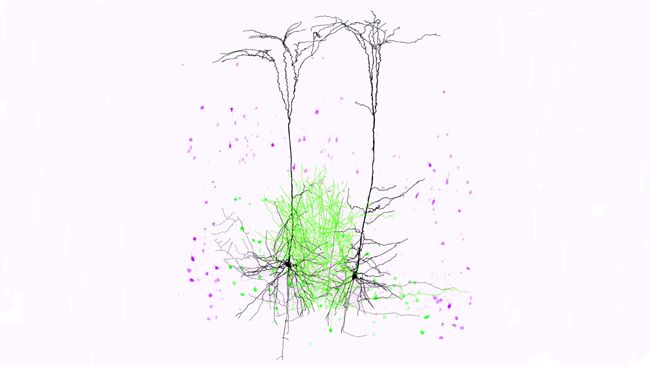 How do nerve cells in the brain influence their neighbors?
 -
 The brain uses some unconventional means to communicate.
 -
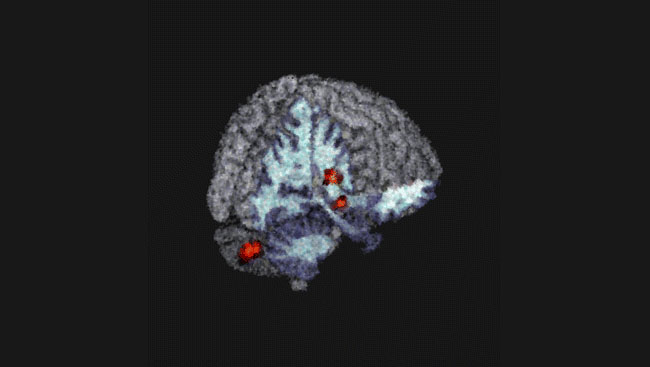 Much faster than a traditional MRI, MEG can be used to provide even more information about brain activity.
 -
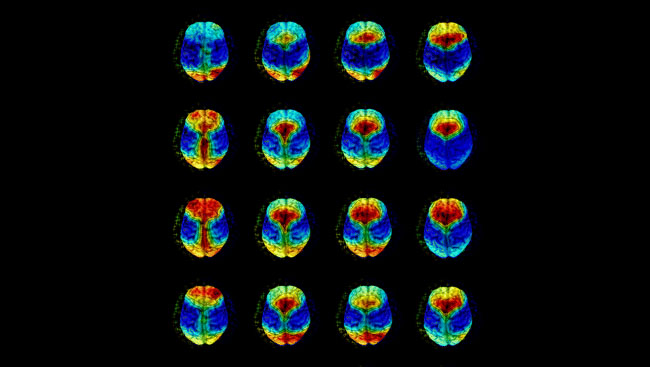 Optical imaging relies on shining weak lasers through the skull to visualize brain activity. These techniques are inexpensive and relatively portable. They are also silent and safe: Because only extremely weak lasers are used, these methods can be used to study everyone, even infants.
 -
 PET is one of the most important techniques for measuring blood flow or energy consumption in the brain. This method of measuring brain function is based on the detection of radioactivity emitted when positrons, positively charged particles, undergo radioactive decay in the brain.
 -
 Neuroscientists believe that the brain can remain relatively healthy and full-functioning as it ages.
 -
 Insulation covering wires preserves the strength of the electrical signals that travel through them. The myelin sheath covering axons serves a similar purpose.