
Filter
-
(1)
-
(8)
-
(2)
-
(1)
-
(1)
-
-
(4)
-
(1)
-
(2)
-
(1)
-
-
(2)
-
(3)
-
(3)
-
(2)
-
(1)
-
-
(26)
-
(5)
-
(6)
-
(10)
-
(2)
-
(5)
-
-
(1)
-
(1)
-
-
(6)
-
(2)
-
(1)
-
(3)
-
-
(1)
-
(1)
-
-
(2)
-
(1)
-
(1)
-
-
(1)
-
(6)
-
(3)
-
(2)
-
(1)
-
-
(41)
-
(1)
-
(4)
-
(2)
-
(1)
-
(2)
-
(16)
-
(8)
-
(11)
-
-
(3)
-
(1)
-
(6)
-
(3)
-
(3)
-
-
(1)
-
(1)
-
(1)
-
-
(1)
-
(1)
-
(1)
-
(1)
-
-
(25)
-
(9)
-
(3)
-
(1)
-
(12)
-
-
(2)
-
(2)
-
-
(1)
-
(1)
-
-
(5)
-
(1)
-
(2)
-
(1)
-
(3)
-
-
(3)
-
(3)
-
-
(1)
-
(6)
-
(6)
-
-
(3)
-
(1)
-
(1)
-
(1)
-
-
(5)
-
(1)
-
(4)
-
-
(31)
-
(5)
-
(11)
-
(9)
-
(1)
-
(2)
-
-
(2)
-
(2)
-
(5)
-
(1)
-
(5)
-
-
(1)
-
(1)
-
-
(2)
-
(1)
-
(1)
-
-
(3)
-
(1)
-
(2)
-
-
(45)
-
(1)
-
(7)
-
(5)
-
(7)
-
(10)
-
(3)
-
(1)
-
(9)
-
(5)
-
(1)
-
(1)
-
(2)
-
(3)
-
(5)
-
(2)
-
(8)
-
-
(7)
-
(2)
-
(4)
-
(1)
-
-
(1)
-
(1)
-
-
(56)
-
(10)
-
(7)
-
(23)
-
(3)
-
(4)
-
(2)
-
(2)
-
(21)
-
(17)
-
(12)
-
(7)
-
(3)
-
(1)
-
(4)
-
(2)
-
(7)
-
(10)
-
(3)
-
(8)
-
(2)
-
(79)
21 - 30 of 100 results
-
 Treatment with drugs such as buprenorphine, methadone, and naltrexone is deemed the gold standard for youth with opioid addictions. Why isn’t it used more often?
 -
 Blood tests for biomarkers of Alzheimer’s could catch the disease earlier and make it easier to diagnose.
 -
 Artificial intelligence systems can help inform the development of new techniques for more nuanced treatments.
 -
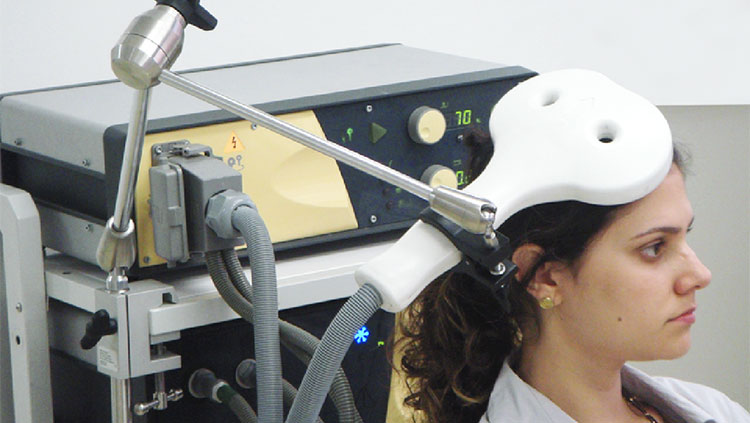 Approved over a decade ago, transcranial magnetic stimulation (TMS) is moderately effective. Tailoring the treatment to individual brains may improve results.
 -
 Key areas in your brain help you to weigh values, understand rules, make plans, and form predictions about the outcomes of your choices.
 -
 Access resources and join BrainFacts.org as we journey through our senses for Brain Awareness Week 2023, running March 13-19.
 -
 And other neuroscience news you may have missed in June 2023.
 -
 And other neuroscience news you may have missed in September 2023.
 -
 And other neuroscience news you may have missed in May 2023.
 -
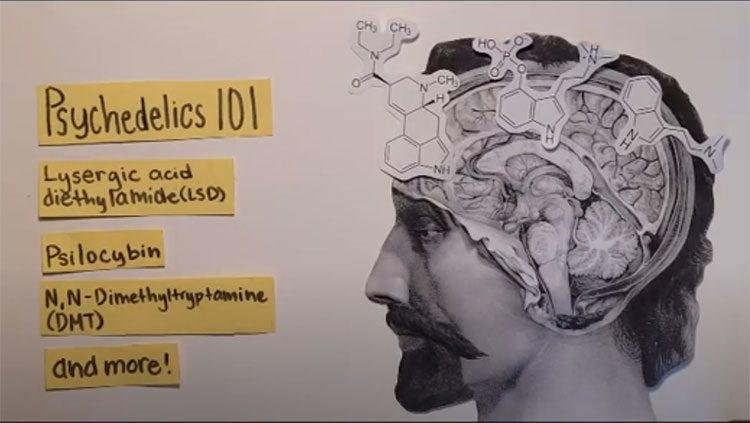 A rebound in psychedelics research questions whether their clinical use can impact neurodegenerative diseases like Alzheimer’s.