
Filter
-
(1)
-
(8)
-
(2)
-
(1)
-
(1)
-
-
(4)
-
(1)
-
(2)
-
(1)
-
-
(2)
-
(3)
-
(3)
-
(2)
-
(1)
-
-
(26)
-
(5)
-
(6)
-
(10)
-
(2)
-
(5)
-
-
(1)
-
(1)
-
-
(6)
-
(2)
-
(1)
-
(3)
-
-
(1)
-
(1)
-
-
(2)
-
(1)
-
(1)
-
-
(1)
-
(6)
-
(3)
-
(2)
-
(1)
-
-
(41)
-
(1)
-
(4)
-
(2)
-
(1)
-
(2)
-
(16)
-
(8)
-
(11)
-
-
(3)
-
(1)
-
(6)
-
(3)
-
(3)
-
-
(1)
-
(1)
-
(1)
-
-
(1)
-
(1)
-
(1)
-
(1)
-
-
(25)
-
(9)
-
(3)
-
(1)
-
(12)
-
-
(2)
-
(2)
-
-
(1)
-
(1)
-
-
(5)
-
(1)
-
(2)
-
(1)
-
(3)
-
-
(3)
-
(3)
-
-
(1)
-
(6)
-
(6)
-
-
(3)
-
(1)
-
(1)
-
(1)
-
-
(5)
-
(1)
-
(4)
-
-
(31)
-
(5)
-
(11)
-
(9)
-
(1)
-
(2)
-
-
(2)
-
(2)
-
(5)
-
(1)
-
(5)
-
-
(1)
-
(1)
-
-
(2)
-
(1)
-
(1)
-
-
(3)
-
(1)
-
(2)
-
-
(45)
-
(1)
-
(7)
-
(5)
-
(7)
-
(10)
-
(3)
-
(1)
-
(9)
-
(5)
-
(1)
-
(1)
-
(2)
-
(3)
-
(5)
-
(2)
-
(8)
-
-
(7)
-
(2)
-
(4)
-
(1)
-
-
(1)
-
(1)
-
-
(56)
-
(10)
-
(7)
-
(23)
-
(3)
-
(4)
-
(2)
-
(2)
-
(21)
-
(17)
-
(12)
-
(7)
-
(3)
-
(1)
-
(4)
-
(2)
-
(7)
-
(10)
-
(3)
-
(8)
-
(2)
-
(79)
31 - 40 of 100 results
-
 A prior COVID-19 infection may accelerate risk for dementia later in life.
 -
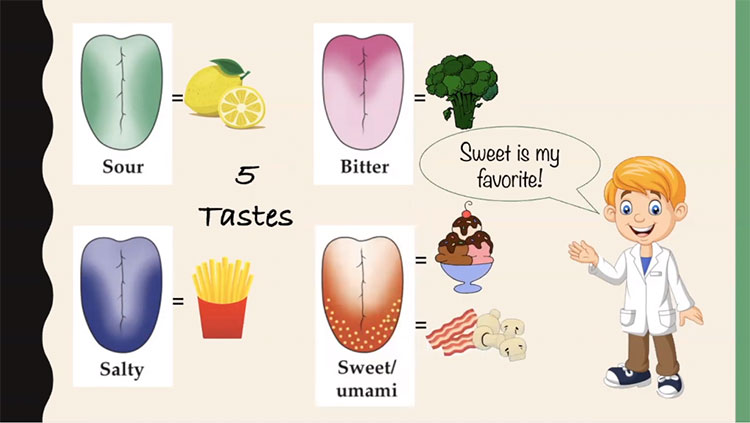 Our brains can be tricked, changing how we perceive taste. These simple experiments can show you how.
 -
 And other neuroscience news you may have missed in November 2022.
 -
 and in less time than a traditional, moderate workout routine.
 -
 October is ADHD Awareness Month. Learn more about this neurological disorder.
 -
 Researchers are working against the one-size-fits-all model for brain stimulation dosing with the help of AI.
 -
 Mice born without this small group of neurons don’t find touch rewarding and become more sensitive to the negative effects of stress.
 -
 And other neuroscience news you may have missed in April 2022.
 -
 The neurology professor contemplates the ethical issues raised by neuroscience research.
 -
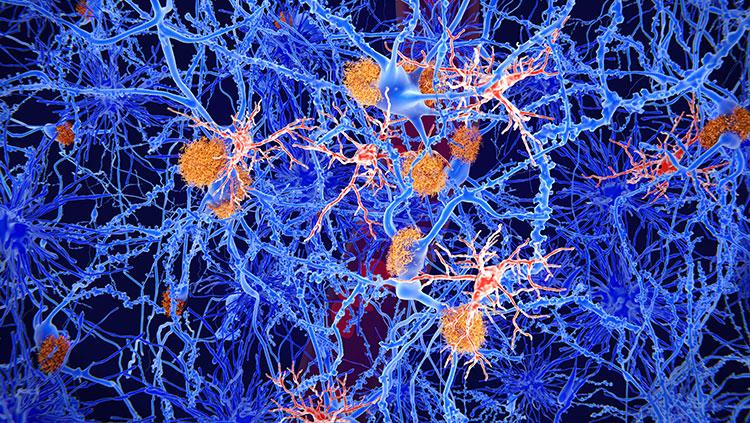 More than 30 years after discovering the protein comprising Alzheimer's plaques, geneticist John Hardy continues to explore the genes driving the development and progression of the disease.