Love: How the Brain Creates Human Connection
- Published20 Oct 2026
- Source BrainFacts/SfN
What makes one person stand out among billions?
Watch how reward circuits, hormones, and brain patterns work to help generate attraction. Gradually, this attraction can lead to emotional attachments and the formation of deep interpersonal bonds. As relationships end, learn why these same neural systems can lead to physically painful feelings of loss, and how new experiences and connections help us heal over time.
This is a video from the 2026 Brain Awareness Video Contest.
Created by Kylie Martin
CONTENT PROVIDED BY
BrainFacts/SfN
Transcript
Imagine you're walking down the street when you notice someone you've never met.
A few seconds later, you've forgotten dozens of faces you've passed.
But somehow, you remember theirs.
Why?
What makes one person stand out among billions?
Every love story begins with a decision no one consciously makes in the most complex structure known to humans: the brain.
To understand this neuroscience of love, we have to start at the beginning.
The story begins with lust.
When we see someone, our brain rapidly evaluates signals such as facial features, body language, voice, and familiarity.
Hormones like testosterone and estrogen create immediate physical attraction and make the brain pay attention.
We're often attracted to people who remind us of familiar experiences, or to people we see repeatedly. This phenomenon is known as the mere-exposure effect: The more familiar someone seems, the safer and more appealing they become.
But attraction is where things get interesting.
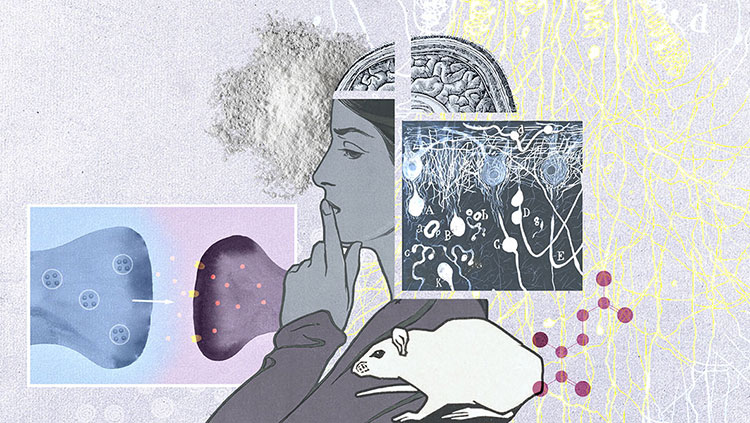
When a person thinks about another, the brain's reward system activates, particularly in the ventral tegmental area, which regulates reward, motivation, and pleasure — and the caudate nucleus, which integrates sensory stimuli with rewards to guide social decision-making.
These areas normally help us identify things for survival.
But during romantic attraction, the brain especially values one specific person.
The neurotransmitter dopamine creates feelings of pleasure and reward while motivating us to pursue this person again.
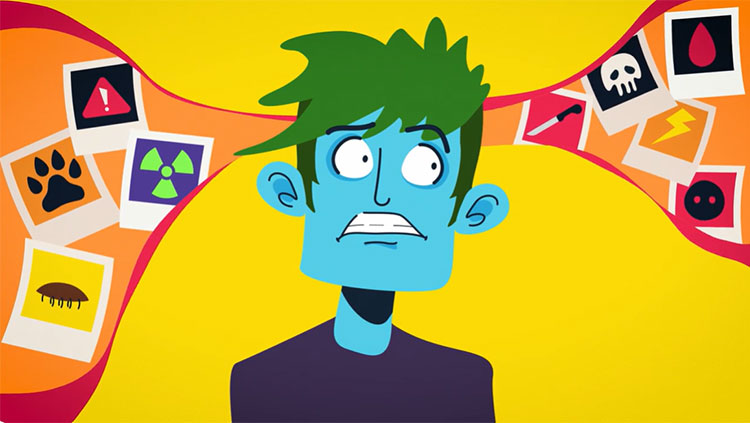
At the same time, norepinephrine increases alertness, creating a physical stress response with a racing heart, sweaty palms, excitement, and nervousness.
Meanwhile, serotonin levels decrease due to increased high cortisol-induced stress.
Studies have found that people who experience romantic attraction can show serotonin levels similar to those of obsessive-compulsive disorder — OCD — which is why a crush can feel like an obsession.
Activity in the parts of the prefrontal cortex — the region involved with critical thinking, judgment, and decision-making — also decreases, making it easier to idealize a partner and overlook their normally obvious flaws and realities.
And as the relationship develops, another process begins: neuroplasticity.
Neuroplasticity is the brain's ability to change and strengthen connections through experience.
Each shared experience and positive memory strengthens the neural pathways associated with that person, making them feel more familiar, meaningful, and emotionally secure.
From here, the story can go in two different directions.
First, eventually the brain can enter a stage known as attachment, driven by chemicals called oxytocin and vasopressin.
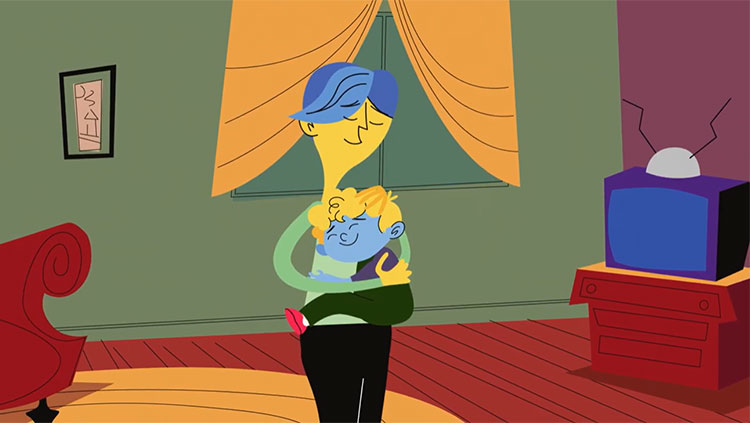
Oxytocin, often called the love hormone, is released through touch and closeness, building trust and connection.
Vasopressin is associated with long-term attachment and commitment.
Over time, love becomes less about intense attraction and more about stability, support, and companionship.
The brain has learned that this person is a reliable source of comfort and reward.
But, not every love story has a happy ending.
When a relationship ends, the brain doesn't immediately erase those neural pathways.
In fact, these same reward systems that once created feelings of happiness can make separation feel painful.
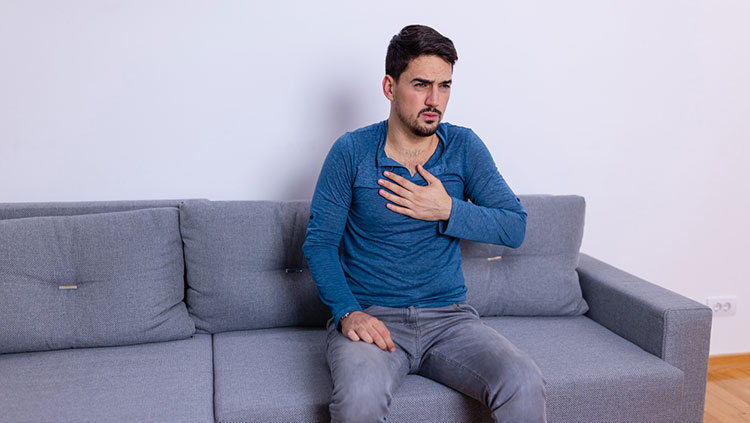
fMRI studies have shown that social rejection activates the dorsal anterior cingulate cortex and the anterior insula, which are regions that are also involved in processing physical pain.
Reward circuits also experience a drop in dopamine.
The brain has lost a source of reward it learned to prioritize, creating feelings that resemble drug addict withdrawal.
Because early humans evolved to depend on social bonds for survival, the brain learned to treat rejection as danger.
That's why heartbreak feels so real.
The brain is adjusting to the loss of someone it had learned to associate with comfort, reward, and connection.
But all hope isn't lost.
The brain is remarkably adaptable, and the same neuroplasticity that once created those connections can help the brain heal and move forward.
As new experiences, relationships, and positive memories form, old pathways weaken and new ones strengthen.
So, while every love story feels unique, they all begin and end in the same place.
The brain.
The same organ that helps us solve a math problem, move our arm, and understand the universe, also allows us to form our deepest human emotions.
And that's the most amazing thing of all.
The brain turns biology into emotions, chemistry into actions, and neuroscience into love.