Why the Teen Brain is the Real Horror Movie Villain
- Published1 Dec 2025
- Source BrainFacts/SfN
In horror films, teens often land themselves in dangerous situations.
In real life, these risky, impulsive behaviors are driven by heightened emotional processing, hormonal influxes, and a more limited ability for teens to regulate their own decision making processes.
This is a video from the 2025 Brain Awareness Video Contest.
Created by Jane Ni
CONTENT PROVIDED BY
BrainFacts/SfN
Transcript
Are you sure we should go down this creepy basement door? It feels like a terrible idea.
Come on, don't be dramatic. It's just a weird noise. Let's go.
Why would she do that?
Why do teenagers in horror movies always make the worst decisions? Turns out there's a scientific reason, and it starts in the brain.
Let's talk about the teenage brain and why it's literally wired for emotion.
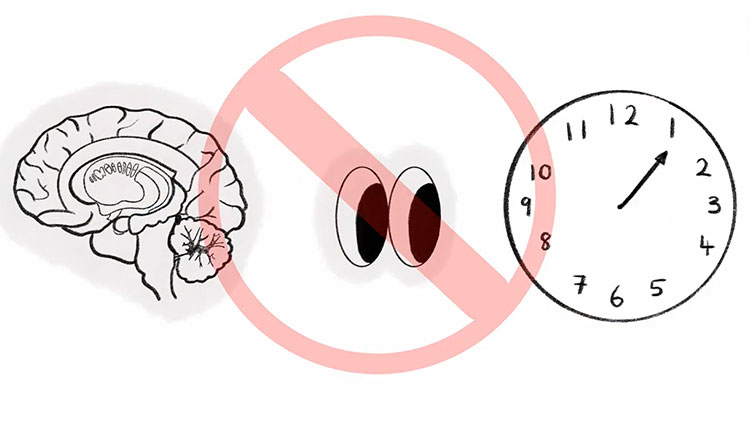
Deep inside the brain sits the amygdala, an almond-shaped region that processes emotions like fear, excitement, and anxiety. It also helps us remember emotional experiences, like the ones tied to threats or stress.
During adolescence, the amygdala doesn't just grow — it overactivates. According to researchers, teens show more amygdala activity than both children and adults when reacting to all kinds of emotions — not just fear, but even calm and happiness.
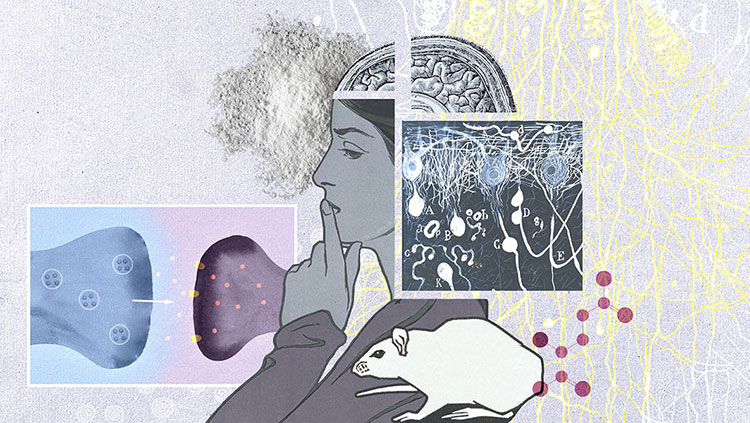
But why is that? A lot of it has to do with hormones. During puberty, rising levels of estrogen, testosterone, and progesterone change the brain. These hormones don't just cause mood swings — they rewire brain circuits. The amygdala grows in size and becomes more reactive, especially in response to emotional or social situations.
Now, here's the twist. The prefrontal cortex, which helps us with impulse control, planning, decision-making, and understanding long-term consequences, doesn't finish developing until around age 25. So, for a good chunk of your teenage years, the emotional part of your brain is still firing on all cylinders, while the part that says, "Maybe don't go through that haunted door," is still booting up.
The result? Teens are more likely to act on impulse, take risks, or be influenced by peers—not just because they're careless, but also because their brains are still under construction.
But here's the good news. The intense emotional period is also a time for incredible growth, creativity, and self-discovery. Emotional experiences feel stronger because the brain is learning how to process them and also form lasting memories.
With awareness and support, teens can build the skills to help their prefrontal cortex catch up and eventually make more wise, thoughtful choices.
So, next time you ask, "Why did they do that?" Remember — it may just be their amygdala talking.